As a child, I longed to live on the Yorkshire Moors, in a place like Misselthwaite Manor. Not for its gothic mystery, or its endless corridors, or the many places I could get lost within the shadows of its walls and unused wings, no. I dreamt of its secret garden.
I have gotten lost countless times in this story. Even now in my thirties, especially when I’m feeling nostalgic, I’ll throw on the film that first came out in 1993, adapted from the novel written by Frances Hodgson Burnett published in 1911. And I let one of my favorite childhood daydreams drift back into the forefront.
As a girl growing up, I was more like Dickon Sowerby than Mary Lennox. But I felt a connection to both children. Mary, a daughter neglected by her parents, too caught up in their own lives to raise and care for their own child. This emotional distance and lack of parental nurturing left Mary hardened, angry, isolated, and outcast from a young age. I felt that.
Dickon was a boy born of and for the outdoors. Countless days were spent in solitude out on the moors, befriending animals instead of other children. He was quiet, kind, and soft-hearted. And to me, his effortless ability to connect with nature was something so identifiable it felt like a mirror image of myself in fictional form.
Together, Mary and Dickon’s friendship resurrected a special place that changed the lives of everyone involved in the tale. I held tight to this fictional place, dead set on making it a reality in my own life. Someday. I carried this belief with me into adulthood. The possibility that something found and considered forbidden, abandoned, withered and forgotten, could be restored to its former beauty. That it could have the chance to bloom once again within the hearts of humans and within the lives of the plants and animals who called it home. And even in the most dismal of circumstances, nature will find a way to nourish the most broken of hearts with its magic and magnificence.
I was the perfect melding of both characters.
A child void of nurture – neglected and misunderstood.
A child welcomed by nature – acknowledged and accepted.
As a result, I spoke the language of wild things far better than I ever did the language of human beings. My grandfather told me it was my gift, a gift that he and I shared. But it seemed like we were the only ones in our family who found it to have any value. It was only he who ever paid it any mind, making sure to teach me what he knew and believed. He made me feel special and cool because of it. Everyone else just seemed to think it was weird. That I was weird. But I didn’t care, at least not as much back when I was younger. It was only when I started to get older that I too, started to believe it was silly, stupid, and nonsensical. What use could something like that be in the real world? In my world? And so I buried the gift back, way back, in a dusty corner of my mind, until I had forgotten almost entirely that it was even there at all.
But still, I promised myself that if I ever found the key to my own garden that kept its wonder and beauty locked away – abandoned and obscure – that I would untangle myself from the gnarled roots and painful thorns of my past. I would clear the way for my joy, happiness, and truest self, all of which were buried beneath its dense, dry overgrowth – left to wither by the generations before me. Somehow, I would find a way to face that pain, acknowledge it, and visit this place – not to revel in its ruin but to get my hands dirty. Uncover the life that was trying to sprout beneath it. The life that was desperately reaching for the surface towards the light, towards the sun. I would work to remove the dead that was dogpiled on top, and give the life waiting below its chance to grow, to bloom.
And if I was luckier still, one day I would find a place that would lend me the opportunity to grow a secret garden of my own. I would befriend a robin redbreast, just like Mary. I would spend countless hours in the company of wild things, sometimes in solitude, sometimes with someone I loved and cherished – sitting, watching, and working to build a place so special that it would change our lives along with all who called it home. From the most dismal of personal circumstances, nature would find a way to nourish my own broken heart with its magic and magnificence. I would fall in love with myself as I fell in love with this place.
Our house was built in 1970 by an extremely talented stonemason. He lived here until his death and that is when the house was sold to us. His craftsmanship and talent are evident in the care and attention of each stone laid, stacked and cemented to become the beautiful stone cabin as it stands today. But the level of consideration he gave to the house was not given in equal measure to the land. The property was used as his dumping ground for discarded and unused construction supplies – bricks, cement block, rebar, wood, plastic, barrels, plastic pipe, tires, broken machinery, etc.
In some areas, the yard was barren, void of life and monotone in color. In others, invasive plants had overrun the grounds, crowding out any possibility for native species to thrive. The emphasis was on monoculture and a community of one – a man and his house made of stone. The land was untouched, unkempt, and uncared for. I could sense it, even beyond what was visible to my own eyes. It had been forgotten, looked over, ignored – much like the outside grounds of Misselthwaite Manor. It had a sadness to it. A longing.
That is, until we arrived.
Even me, the little girl all grown up who got her wish for a secret garden to call her own, couldn’t have dreamed up the kind of enchantment, discovery, transformation, and partnership that this restoration and rewilding would bring. Not just for the outer landscape, but for her inner landscape as well. A seed was planted in her heart alongside the ones she sowed into the earth. To rewild the land, was to rewild myself, seemingly in equal measure.
To tend to and become a caretaker of this land, my goal was to listen, not speak. To observe, not enforce. To learn, not instruct. To be guided, not dictate. Working with the land is drastically different than working on the land. As is working for the land versus working for yourself. There is a shift in the power dynamic. The land takes the lead and you follow. It becomes function over formality. Which is achieved through building right relationship. And like any relationship, it takes time. Time I was willing to lend.
The end result looks much different than what the majority of our society are accustomed to. That instant gratification, carefully curated and well-manicured aesthetic, curb appeal to appease and attract the human eye, and a sole focus on the needs and wants of humans.
Home began to expand beyonds the walls of our house, beyond the stone of its exterior – to encompass every inch of the land and all the things that live upon it. An invitation was presented – for the wild to become a part of our family and for us to become a part of the wild – this extended community of human beings and wild things.
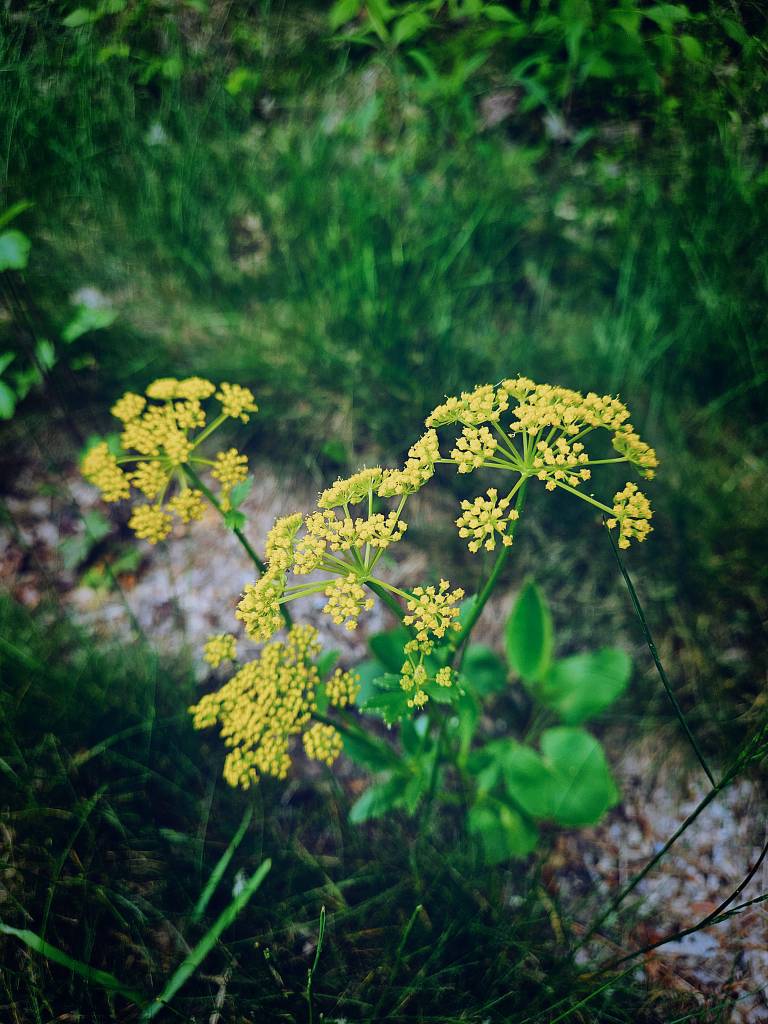
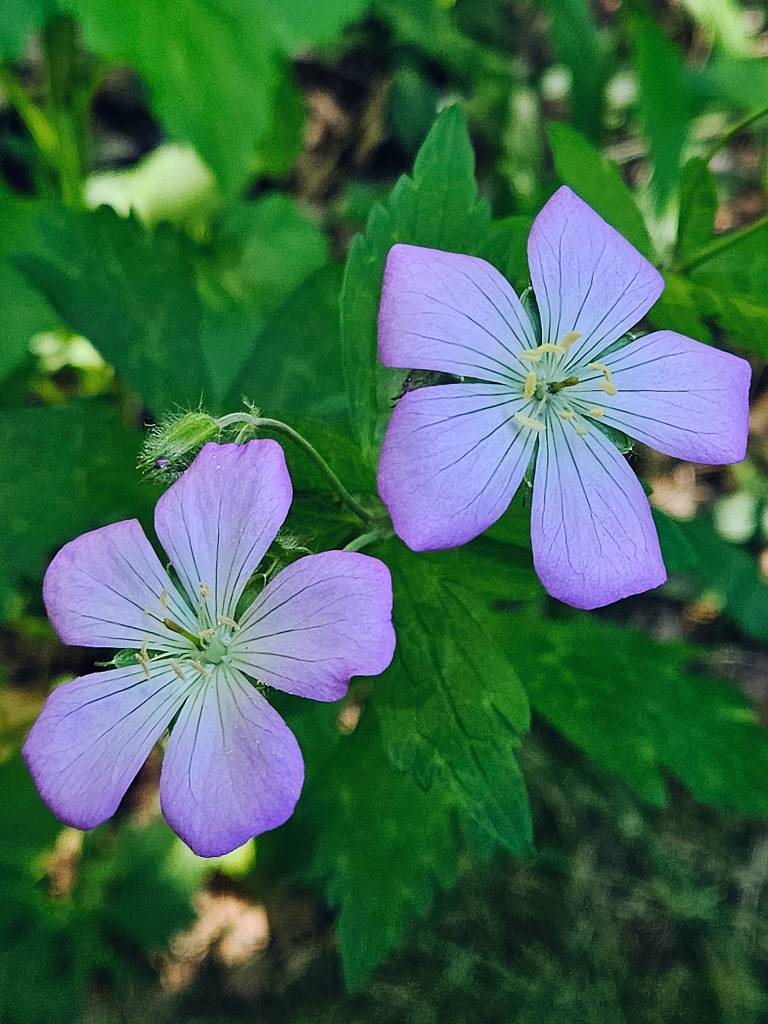
We have welcomed 45 native species to our community so far. That’s over 130 individual plants, trees, and shrubs that were placed on this land with the utmost care and respect. Cultivating a habitat rich in its support, sustainability, shelter, and biodiversity for all who call it home, even the transients who prefer to just pass on through.
Our family, our community, our neighbors, our kin – they don’t all look like us. They are made of feathers, fur, paws, hooves, wings, scales, bark, limbs, leaves, and flowers. The land is a home to them as much as the house that stands on it is for us. This is a place we all call home. But that’s a story for another time.
We can learn the language of wild things.
We can listen in such a way that we can hear what animals, plants, birds, and trees have to say. What they have to show us, teach us.
We can befriend a Robin redbreast, just like Mary Lennox.
We can smell of heather and grass and leaves as if we were made of them, just like Dickon Sowerby.
Together, we can discover what has been abandoned, lost to time and pain, and breathe new life into these forgotten places, even the ones we have hidden inside of ourselves.
My grandfather was right all along.
It is a gift.
A gift I let the world convince me not to embrace, not to celebrate.
We all have the potential to harness it.
We just have to plant the seed inside of our heart and let it grow.



 this wild thing, ltd