

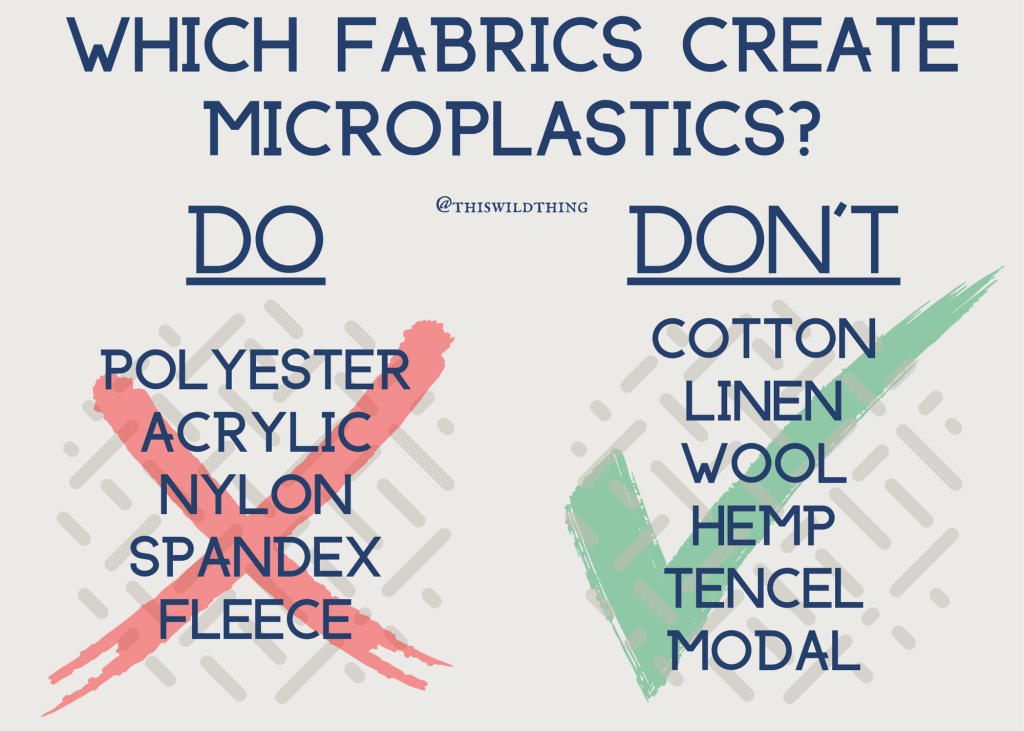
In the quest to live a more earth-conscious life, along with the active choice to live more intentionally, I have been slowly but surely examining how modern society operates and how I choose to operate within it. Because of that, I am taking some things that most of us, including myself, usually never put a second thought to. And then explore them beyond what is known and familiar. These are things that are so commonplace in our lives that they hide in plain sight. And yet, may result in damage to the environment and thus, to ourselves.
For me, this is a journey of different choices, alternative ways of living that are more simple than mainstream, and opting out, actively and purposefully, to live better for nature and for humanity.
And it’s not that some of us do not care, it’s just that we might not know. And if we must consume in the world as we know it today, it’s a step in the right direction to become a more informed consumer. And from there on out, we can choose to make more conscious choices or better yet, opt out of the things that we are able and willing to.
One of these things for me is clothing, in particular fast fashion – the business of replicating high fashion trends and designs, mass-producing them at a low cost, and then bringing them to retail stores or online shopping. The global fast fashion market in 2019 was valued at 36 billion U.S. dollars and is expected to grow even further in the years to come (Windridge, 2021). One of the negative impacts of this industry is plastic pollution. YES, PLASTIC.
Microplastics to be exact. Microplastics are traces of plastic waste in the micrometer range (1/1000th of a millimeter to 1mm), though sometimes they are defined as being anything up to 5mm in size.
We all are familiar with the negative impact of plastic waste in its larger forms, especially single use plastics, and the clear and present danger they present to the environment – on land and in our oceans. But how dangerous is plastic when it breaks down? The truth is, we are only just starting out with research to study the long-term effects of microplastics on the environment, on animals, and on humans.
OMG… SO THE CLOTHES IN MY CLOSET ARE MADE OF PLASTIC?
YES. YES, THEY ARE.
And those clothes are shedding that plastic. Worse yet, when we discard these clothing items because we no longer want them, if they end up somewhere other than a donation rack purchased by someone else, the materials do not biodegrade with time. Which leads me to this mini side tangent:
——–
We are consuming textiles at a rapid pace. And sadly, the amount of times we choose to wear a singular piece of clothing before we discard it, has decreased by 36%. YIKES! This means we are discarding clothing so fast that it has become a HUGE waste management problem.
Okay, so where do the majority of our fashion choices go when we no longer wish to wear them? Tons, and I mean actual TONS, of discarded clothing gets exported to places like:
KANTAMANTO MARKET, GHANA
PANIPAT, INDIA
ATACAMA DESERT, CHILE
GIKOMBA MARKET, KENYA
The images of these textile wastelands are breathtaking (and not in the good way let me tell you).
——–
Studies have shown that most of the microplastic pollution comes from textiles (clothing) – along with tires and city dust. It accounts for over 80% of all microplastic in the environment (Bofill, 2020). These types of fibers contribute immensely to the persistence of microplastics in terrestrial, aerial, and marine ecosystems. It is suspected that up to 30% of the Great Pacific Garbage Patch is, in fact, made up of microplastics. And if you haven’t heard of the GPGP, don’t worry… I’ll be doing a write-up on it in the future.
Clothing made from polyester, nylon, acrylics, and spandex shed their microplastics in the wash. Each garment in a load of laundry can shed more than 1,900 fibers of microplastics, with fleeces releasing the highest percentage of fibers, over 170% more than other garments (Katsnelson, 2015). An average load of laundry can release over 700,000 fibers. BIG OOF.
These microplastic fibers leave our washing machines, then circulate through our water systems, and ultimately end up in the environment. There are traces of microplastics everywhere – in the air, in the soil, even in the ice cores of Antarctica. New Scientist reports that microplastics found across the Arctic may be fibers from laundry, stating that “polyester fibers make up nearly three-quarters of microplastic pollution in the Arctic.” UGH. And microplastics have been detected not just in marine waters but also in freshwater systems that include marshes, streams, ponds, lakes, and rivers across the globe. Most fish for human consumption contain microplastics.
Animals carry microplastics in their bodies too. When they themselves are eaten, those microplastics are also ingested. This process is called ‘trophic transfer’. When plastic ends up in the environment, it tends to bind with environmental pollutants. When plastic moves through the food chain, the attached toxins can also move and accumulate in animal fat and tissue through a process called bio-accumulation (Plastic Soup Foundation, 2023)
——-
SO, WHAT CAN WE DO?
Here are a few ways you can consider reducing the amount of microplastics in your life when it comes to fashion and fabric:
– Buy second hand. Thrifted clothing will shed less of these microfibers because they aren’t brand new. When you buy second hand, you are buying clothes that are already out there, diminishing the demand for fast fashion. I’ve shopped second hand for the majority of my life. There’s some really cool shit out there to nab for cheap. And guess what? I have found some amazing sustainable pieces.
– If you are buying brand new, look to sustainable brands and clothing lines. Take a look at the companies you are considering buying from. What’s their business model like? Where do they stand on sustainability?
– Opt for clothing made of natural materials (yes, they can be an investment, but they also last much longer, are of better quality, and are made from durable materials that biodegrade).
– Consider staple wardrobe items that can be worn with multiple outfits and/or items that are more evergreen and you can wear for awhile versus a quick fashion trend.
– Look for certifications – ie: The GOTS certification shows that a garment is organic and sustainable. The OEKO-TEX provides its Standard 100 certification for some polyester fabrics.The Global Recycle Standard (GRS) certifies recycled polyester as genuine.
*Please Note* It’s okay if some or a lot of your wardrobe includes these fabrics right now. Don’t panic! You already have the pieces so keep them.
– Try not to wash your clothes as often, wait until you have a full load, use cool temperature water, and bring back the CLOTHES LINE! We put up one last year and I love it! It was one of my favorite chores to help out with when I was a kid. There’s nothing like the smell of clothes fresh off the line. Except maybe the ground after it rains. I wear overshirts, tank tops, sweaters, and even some pants multiple times before I wash them. If they aren’t dirty, smelly, or you haven’t sweat through them, give them a couple wears.
– There are two products out there now with a purpose of trapping a percentage of these microplastic fibers. There are the Guppy Friend Washing Bag and the Cora Ball.
– And last but certainly not least, whenever you’re considering buying something new, stop and think for a moment. Consider what the item is, where it’s coming from, or even if you really need it.
SOURCES:

 this wild thing, ltd
Hi! I just posted on my blog about microplastics in clothes, and WordPress suggested this post you wrote in May which is super relevant and interesting. Thanks! I’d love to know your source for the info in the list at the top, i.e. how do we know Tencel and modal don’t shed microplastics? …so that I can make sure to share information I understand! Thanks again!
LikeLike
Hi couchcrafts! From my understanding, Tencel and Modal are created from cellulose, the natural cell fiber in all vegetation – so there are no microplastics. Both derive from natural materials. Modal involves spinning reconstituted cellulose primarily from beech trees. The wood fibers are pulped into liquid form and forced through tiny holes, creating the thread. The resulting fibres are then spun into yarns—sometimes in blends with other fibers such as cotton. Even though they don’t shed microplastics, there is still a caveat of concern – ensuring ethical sourcing from renewable forests and higher standards for production as an environmental concern can happen in the production process.
LikeLike